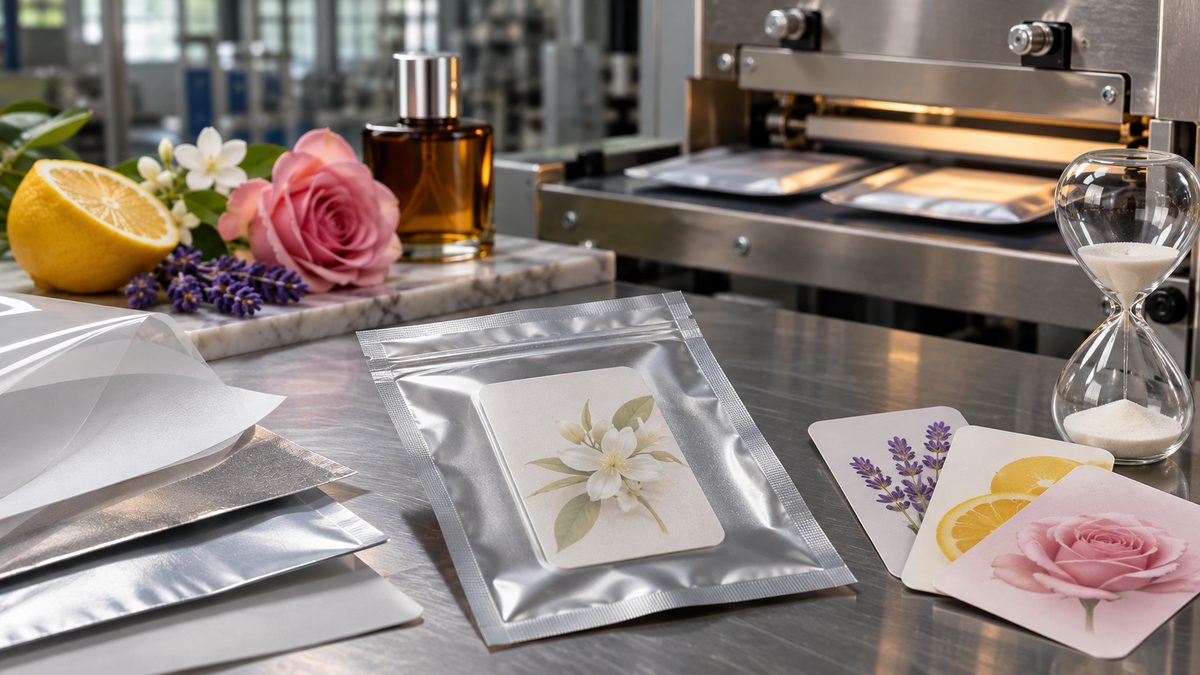
Vent-Clip Fatigue: Why Buyers Are Revisiting Hanging and Dashboard Formats
The vent clip became the default car fragrance format almost by accident — cheap to make, easy to hang, and visible at the point of sale. Now the complaints have accumulated: clips that leak solvent onto the dashboard, snap the thin plastic
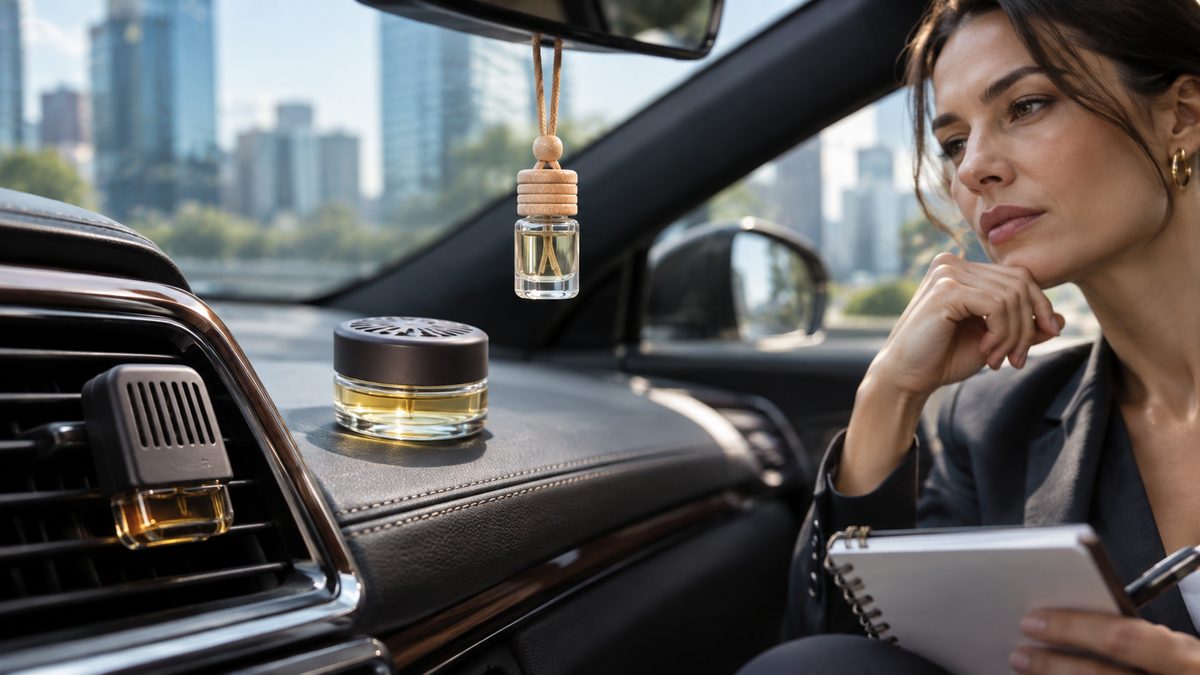
The vent clip became the default car fragrance format almost by accident — cheap to make, easy to hang, and visible at the point of sale. Now the complaints have accumulated: clips that leak solvent onto the dashboard, snap the thin plastic fins of modern vents, or block airflow in cars whose vents are already scarce. A format that looked convenient is being re-examined for what it actually does inside a vehicle.
This article maps the failure modes that created vent-clip fatigue, compares hanging and dashboard formats on how they actually release scent, and explains what buyers are switching to and why.
Table of Contents
- Why the vent clip became the default format
- The problems that created vent-clip fatigue
- Leakage and the dash-damage failure mode
- How hanging formats differ mechanically
- Dashboard and console formats and their trade-offs
- Scent delivery across hot and cold seasons
- What buyers are switching to, and why
- Specifying a format that avoids the old failures
- Practical guide: choose a car fragrance format
- Frequently asked questions
- Conclusion
Why the vent clip became the default format
The vent clip won on logistics, not performance. It is a small, light, low-cost part that clips onto an existing fixture, needs no adhesive or bracket, and displays well in a blister pack. For a buyer, it was the cheapest unit to land and the simplest to merchandise, and those two facts drove adoption far more than any evidence that it delivered scent well.
But the same properties that made it cheap also made it fragile. Clipping to a vent means the product lives in an airflow, a temperature swing, and a narrow plastic fixture — three conditions a scent release system has to be engineered for.
The problems that created vent-clip fatigue
The complaints converge on a handful of mechanical failures. Clips break the fins of modern adjustable vents, which are thinner and more fragile than the vents of older cars. Clips obstruct airflow, which matters in small cabins where the vent is doing real work. And clips sit directly in the warm air stream, which accelerates fragrance release in hot weather and switches the product off in cold.
| Problem | Mechanism | Customer symptom |
|---|---|---|
| Broken vent fins | Clip stress on thin plastic | Damaged vent, warranty claim |
| Blocked airflow | Clip covers the vent face | Weaker heating or cooling |
| Hot-air acceleration | Fragrance overheats in the stream | Strong scent then nothing |
| Cold-air shutdown | Low temperature slows release | No scent in winter |
None of these is a mystery; they are the predictable consequences of putting a fragrance product in a moving, heated airstream. The fatigue set in because buyers kept ordering the format that produced them.
Leakage and the dash-damage failure mode
The most damaging failure is the leak. A liquid-filled clip that overheats or is knocked loose can drip solvent and fragrance onto the dashboard, where the concentrated carrier etches or stains the plastic. Dashboard damage from a leaking car fragrance is a real complaint category, and it is expensive because the fix is not a refund but a trim replacement.
The sealed-format answer
Formats that enclose the fragrance — a sealed gel jar, a membrane-covered reservoir, or a saturated card inside a frame — remove the free-liquid leak path entirely. The trade-off is that a sealed format releases more slowly and often needs a larger surface area to match a liquid pad's intensity.
Why the liquid, not the fragrance, does the damage
The visible stain on a dashboard is usually the solvent and dye, not the fragrance oil itself. A concentrated carrier can soften or mark certain plastics, especially on prolonged contact in a hot car. This is why leak testing and the choice of carrier matter as much as the scent.
How hanging formats differ mechanically
A hanging card or pendant releases by passive evaporation into the cabin air, not by being driven through a vent. This means the release is steadier and less temperature-dependent than a clip in the airflow, but also weaker in a static cabin, because nothing is forcing air across the surface. The hanging format trades peak intensity for consistency.
Hanging formats also sit away from the dashboard, which removes the leak-and-stain risk entirely, and they do not touch the vents at all. The car fragrance packs built for accessory shops increasingly lead with them precisely because they generate so few complaints.
Dashboard and console formats and their trade-offs
Dashboard formats — gel jars, canisters, or framed cards that sit on the dash or in a cup holder — split the difference. They are sealed, so they do not leak, and they can hold more fragrance than a clip, giving a longer life. Their weakness is placement: a dashboard in direct sun is the hottest surface in the car, and heat accelerates release and can soften or warp the container.
A console or cup-holder format avoids the sun-facing dash but competes for space and can be knocked over. The right choice is less about the chemistry and more about where the product will actually sit in the target vehicle, which is why format selection should follow the vehicle mix a buyer sells into.
Scent delivery across hot and cold seasons
Every passive car fragrance is temperature-limited, because evaporation slows in the cold and accelerates in heat. A vent clip makes this worse by adding a heated airstream in winter and a cold airstream when the air conditioning runs. A hanging or console format has a narrower temperature range because it is not in a forced airflow, but it still underperforms in a genuinely cold cabin.
The honest position is to set expectations rather than promise year-round intensity. A product that states its ideal temperature range, or is sold as a seasonal item, survives customer reviews better than one implying constant performance across a Canadian winter and a Gulf summer.
What buyers are switching to, and why
The shift is away from the cheap liquid clip and toward sealed, low-maintenance formats — hanging cards, gel jars, and framed scent cards. The driver is not a fashion cycle but a complaint ledger: sealed formats leak less, damage less, and require no customer handling of liquid. For a buyer managing returns, that ledger is the argument.
| Format | Leak risk | Intensity | Seasonal behaviour |
|---|---|---|---|
| Vent clip (liquid) | High | High, variable | Extreme swings |
| Hanging card | None | Steady, moderate | Narrower range |
| Gel jar / canister | Low (sealed) | Moderate | Heat-accelerated in sun |
| Framed scent card | None | Moderate | Narrower range |
Cost is the counterweight. A sealed jar or a framed card costs more to make and more to ship than a plastic clip, which is why the switch usually happens where the failure cost — returns, warranty, brand damage — is already being felt. The packaging that carries a scent card format is part of the same decision.
Specifying a format that avoids the old failures
A format specification should state the release mechanism, the seal type, the carrier, and the temperature range the product is expected to perform in. It should require a leak test for any liquid format and a material-compatibility check for anything that touches a dashboard or vent. These are the tests that would have caught the clip's failures at the sample stage.
For a buyer building a full range, the format decision sits upstream of the starter holders and replacement cards that follow the primary sale. Our car fragrance range is structured around sealed formats that avoid the free-liquid leak path.
Practical guide: choose a car fragrance format
Step 1 — Map the vehicle mix you sell into
Identify the vent types, dash materials, and climates your customers actually have, because the format must fit the vehicle, not the other way around.
Step 2 — Choose the release mechanism
Decide between liquid, gel, or card release, weighing intensity against the leak and damage risk of each.
Step 3 — Prefer a sealed format
Where possible, eliminate the free-liquid path so the product cannot leak onto the dash or vents.
Step 4 — Test for material compatibility
Check the carrier and dye against dashboard and vent plastics, and run a leak test on any liquid format before committing.
Step 5 — Set temperature expectations honestly
State the temperature range the product performs in, and resist promising year-round constant intensity.
Step 6 — Re-check the replacement economics
Confirm the format supports the replacement and refill offer you plan to sell, so the first sale and the repeat sale align.
Frequently asked questions
What is a private label car fragrance?
A private label car fragrance is manufactured by a supplier and sold under a buyer's own brand; the buyer selects the scent, format, and packaging, and the supplier fills and packages it under the buyer's name.
What is a vent clip car fragrance?
A vent clip is a car fragrance that clips onto an air vent, releasing scent as cabin air passes over it. It is cheap and compact but sits in a heated, moving airstream.
What is a hanging car fragrance?
A hanging car fragrance is a card or pendant suspended in the cabin that releases scent by passive evaporation, away from the dashboard and the vents.
Why does a vent clip leak onto my dashboard?
Because a liquid-filled clip can overheat or be knocked loose, dripping concentrated solvent onto the dash, where the carrier can stain or mark the plastic. Sealed formats remove this path.
Does a hanging card smell as strong as a clip?
Usually weaker at its peak, because nothing forces air across it, but it is steadier and less temperature-dependent. It trades peak intensity for consistency and lower risk.
Why does my car fragrance stop smelling in winter?
Because evaporation slows in the cold. A vent clip is worst affected, since the winter heater and the summer air conditioning both push extreme air temperatures across it.
Which format is least likely to damage the car?
A sealed, non-liquid format — a hanging card, a framed card, or a gel jar kept away from the dash — because it has no free liquid to leak and does not stress the vent fins.
How do I decide between a dashboard jar and a hanging card?
Consider placement and climate. A dashboard jar holds more scent but sits in direct sun; a hanging card is lower risk but weaker. Choose against the vehicle mix you sell into.
Conclusion
Vent-clip fatigue is the market correcting a format that was chosen for its cost, not its behaviour in a car. The failures — leaks, broken fins, seasonal shutdown — were built into the format from the start, and buyers are now pricing those failures back into the decision.
The fix is to select the format against the vehicle, the climate, and the complaint ledger, and to prefer sealed formats that cannot leak. A car fragrance chosen that way costs a little more to make and a lot less to support.
Discuss your fragrance programme with our team:
WhatsApp: +86 17324762943
Email: adon@customperfumeoem.com
Website: customperfumeoem.com