
Scent Cards Moved From Promo Item to Retail SKU
The scent card has left the trade-show bag. Sold as a retail SKU it needs a scent architecture, sealing that preserves intensity, and a price that carries packaging. This article covers the shift and its production consequences.
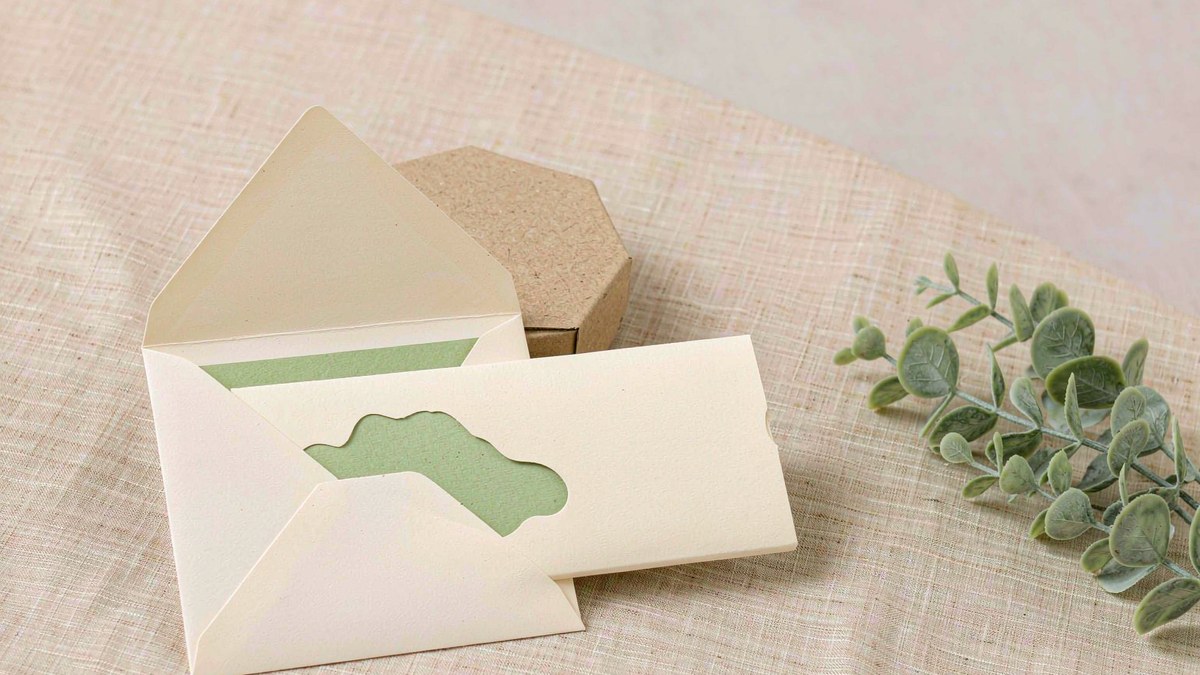
A scent card used to be a promotional object: printed at a few cents, handed out at a trade show, thrown away by the end of the week. Then brands started selling them — packaged, named, priced, with a barcode and a place on the shelf next to the candles.
That shift is small in product terms and large in specification terms. A retail SKU has to hold its scent for months in a warehouse, survive a shelf, and justify a price per unit that would have looked absurd for a giveaway.
Table of Contents
- What actually changed
- The price band and what sets it
- Packaging becomes the product
- Scent architecture for a card format
- Sealing decides shelf life
- MOQ and the small-run problem
- Practical guide: taking a card to retail
- Frequently asked questions
- Conclusion
What actually changed
Three things. Fragrance-loaded paper improved: laminated paper-sponge-paper constructions hold more oil and release it more evenly than a sprayed single sheet. Digital print made short runs of illustrated designs affordable. And a generation of home-fragrance brands needed an entry-price product below their candle line.
The price band and what sets it
| Position | Indicative ex-works | What drives it |
|---|---|---|
| Promotional single card | USD 0.05–0.20 | Single-layer stock, one-colour print, no pack |
| Branded hanging card | USD 0.20–0.60 | Laminated construction, foil, cord, polybag |
| Retail SKU, packaged | USD 0.60–2.00 | Rigid or printed pack, insert, barcode, higher load |
The step from the second to the third band is not the card. It is the pack, the load and the sealing that turn a scented object into a product you can put a barcode on.
Packaging becomes the product
At retail the card is judged through its pack. That means a printed envelope or rigid sleeve, a window or a die-cut reveal, and a barcode. It also means the pack must seal: an unsealed card in a warehouse loses intensity before it reaches the shelf.
Scent architecture for a card format
Cards favour top-heavy accords, because the surface area is large and the release is passive. A fragrance built for a candle's hot throw reads thin on paper; one built for paper reads sharp in wax. Expect a dedicated version of the accord, not a dosage change.
Sealing decides shelf life
Fragrance migrates through paper and through most films. A barrier layer — metallised film or a coated pouch — is what makes a twelve-month shelf life plausible. Without it, the product is at its best on the day it is packed.
MOQ and the small-run problem
Cards print cheaply at volume and expensively at low volume, because die-cutting and foiling carry setup. A retail SKU with a printed pack typically needs 1,000 units to be economic, and 500 is possible with stock packs and digital print.
Practical guide: taking a card to retail
Step 1 — Decide the position
Promotional, branded gift or retail SKU. The pack follows from that, not from the artwork.
Step 2 — Choose the construction
Single layer for cost, paper-sponge-paper for load and release.
Step 3 — Build a card-specific accord
Top-heavy and diffusive, tested on paper rather than in wax.
Step 4 — Specify the barrier pack
Film or pouch, with a seal test and a stated shelf life.
Step 5 — Add the retail furniture
Barcode, scent name, warnings, and a hang or display format.
Step 6 — Test at month three and month twelve
Open one sealed pack each quarter and compare with the retained standard.
Frequently asked questions
How long does a scent card last once opened?
Typically two to six weeks depending on load, construction and airflow. State the figure and test it.
Can a card be sold as a cosmetic?
No. It is a consumer product or an advertising item, depending on how it is placed. The classification changes the file.
Why does my card smell strong in the pack and weak on the shelf?
Because the pack is saturated and the shelf is not. Intensity in the pack is not a proxy for performance in a room.
Is a laminated card always better?
For load and release, usually. For cost and print complexity, not always.
What load should a retail card carry?
Enough to hold intensity for the stated life without staining the paper. The figure is empirical, set by the construction.
Do cards need a warning label?
Usually a caution about skin and eye contact and about keeping away from children and pets. Confirm per market.
What MOQ is realistic?
1,000 units for a printed pack, 500 with stock packs and digital print.
Can the card carry a barcode and price?
Yes, and at retail it should. Plan the space before the artwork is approved.
Conclusion
A retail scent card is a paper product wearing a fragrance product's economics. The card is cheap; the pack, the load and the sealing are what make it a SKU.
Choose the position, build a card-specific accord, specify the barrier pack and test at month twelve. The giveaway and the retail SKU share a shape, not a specification.
We invite you to explore our capabilities and discuss your next product line.
You can reach us directly via WhatsApp +86 17324762943
Email: adon@customperfumeoem.com
Website: customperfumeoem.com


