
Refill Logic Comes to Car Fragrance — and It Changes the Unit Economics
Car fragrance was sold as a disposable. The holder-and-refill model changes the first purchase, the replenishment cycle and the packaging spec. This article sets out the economics and the production implications.
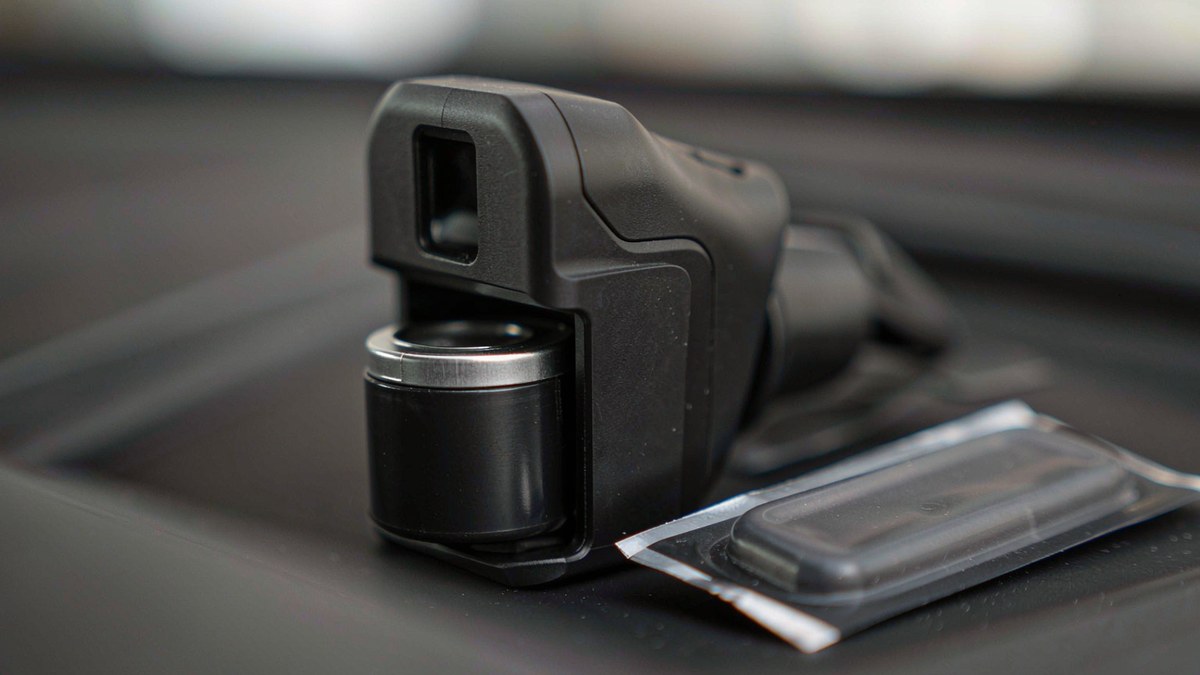
Car fragrance has been a disposable category for thirty years: buy a hanging card, throw it away, buy another. The shift now underway is structural — a holder that stays in the car and a refill that replaces only the scented part. It changes the first purchase, the replenishment cycle and the packaging specification.
This article sets out why the model is spreading, what it does to unit economics, and what a factory has to change to support it.
Table of Contents
- Why refills fit car fragrance
- The economics of a two-part product
- Which formats refill well
- Spec changes for a refillable design
- What it does to channel and shelf
- Where refill programmes fail
- Practical guide: designing a refill range
- Frequently asked questions
- Conclusion
Why refills fit car fragrance
Three properties make the category suitable. The product depletes on a predictable schedule — four to eight weeks for most formats. The holder is a visible object the driver keeps. And the refill is small, light and cheap to ship, which makes it viable as a repeat purchase even at low order values.
The economics of a two-part product
| Line | Disposable format | Holder + refill |
|---|---|---|
| First purchase value | Low | Higher, includes the holder |
| Repeat purchase | Repeat buy, no lock-in | Refill, tied to the holder |
| Packaging per cycle | Full pack each time | Small pack per refill |
| MOQ structure | One SKU | Two SKUs, two minimums |
| Margin profile | Thin, freight-heavy | Holder carries margin, refill carries volume |
The catch is that two SKUs mean two component sets, two artworks and two sets of minimums. A first order that must include both is twice the commitment of a disposable range.
Which formats refill well
Vent clips and visor clips refill naturally: the holder is mechanical and the scented element is a cartridge. Bottle formats refill less well, because the wick saturates and the seal degrades. Hanging cards cannot refill at all — the card is the product — which is why the refill trend favours clips and rigid holders.
Spec changes for a refillable design
The holder needs a retention mechanism that survives ten insertions, a material that resists fragrance migration, and a clip that does not fatigue at 60°C. The cartridge needs a seal that opens cleanly and closes without leaking, plus a label that survives handling.
Most failures trace to the interface: a cartridge that fits loosely leaks; one that fits tightly cracks the holder. Tolerance on that joint decides the product.
What it does to channel and shelf
Refill programmes need the holder on shelf to sell the refill, which means retail space for a low-velocity item. Online, the model works better: the holder ships once, refills ship in envelopes, and the subscription can be automated.
Where refill programmes fail
Three ways. The refill is priced so close to the disposable that nobody trades up. The holder is discontinued before the refill cycle ends. Or the cartridge changes shape between batches, so a customer's holder no longer accepts the refill — the most expensive failure, because it turns a repeat buyer into a complaint.
Practical guide: designing a refill range
Step 1 — Price the pair, not the parts
Holder margin funds the refill's thin margin. Model both.
Step 2 — Freeze the interface
Cartridge geometry is a specification, not a detail; it must not drift.
Step 3 — Test retention ten times
Insert and remove the cartridge repeatedly, then check for cracking and loss of grip.
Step 4 — Test at 60°C
Dashboard heat softens plastics and pressurises the cartridge.
Step 5 — Design the refill pack for post
Flat, sealed and light, so replenishment is economic.
Step 6 — Plan the SKU lifecycle
Commit to holder continuity for the refill cycle you sell, in writing.
Frequently asked questions
Is a refill cheaper to make than a disposable?
Usually, but the holder carries the cost the disposable did not have. Compare the pair, not the refill alone.
Which car formats refill best?
Clip and rigid-holder formats. Bottle formats are harder because the wick and seal degrade.
Do refills change the fragrance?
Not the formula, but the release profile can shift as the cartridge ages. Test across two refill cycles.
What MOQ does a two-SKU range need?
Two minimums, one for the holder and one for the refill. A 1,000-unit disposable programme may become 1,000 holders and 2,000 refills.
Can a refill programme work in retail?
Yes, but it needs shelf space for a slow-moving holder. It suits online and subscription channels better.
How long should a holder last?
At least the number of refills sold for it — commonly five to ten cycles. State it, then test to it.
What is the main failure mode?
Interface drift: a cartridge that no longer fits its holder. Freeze the geometry in the specification.
Does heat affect refills more than disposables?
It affects both, but a sealed cartridge under pressure in a hot car is less forgiving. Test at 60°C.
Conclusion
Refill logic turns a disposable into a small system. The holder sells once, the refill sells repeatedly, and the interface between them decides whether the second purchase happens.
Price the pair, freeze the geometry, test at heat and design the refill for post. A refill programme is a component discipline before it is a marketing idea.
We invite you to explore our capabilities and discuss your next product line.
You can reach us directly via WhatsApp +86 17324762943
Email: adon@customperfumeoem.com
Website: customperfumeoem.com


