Private Label Scent Cards Sample Approval: Approve Samples Before Authorizing Production
Private Label Scent Cards sample approval: compare technical options, set sample checks and prepare a clear OEM/ODM purchasing brief.
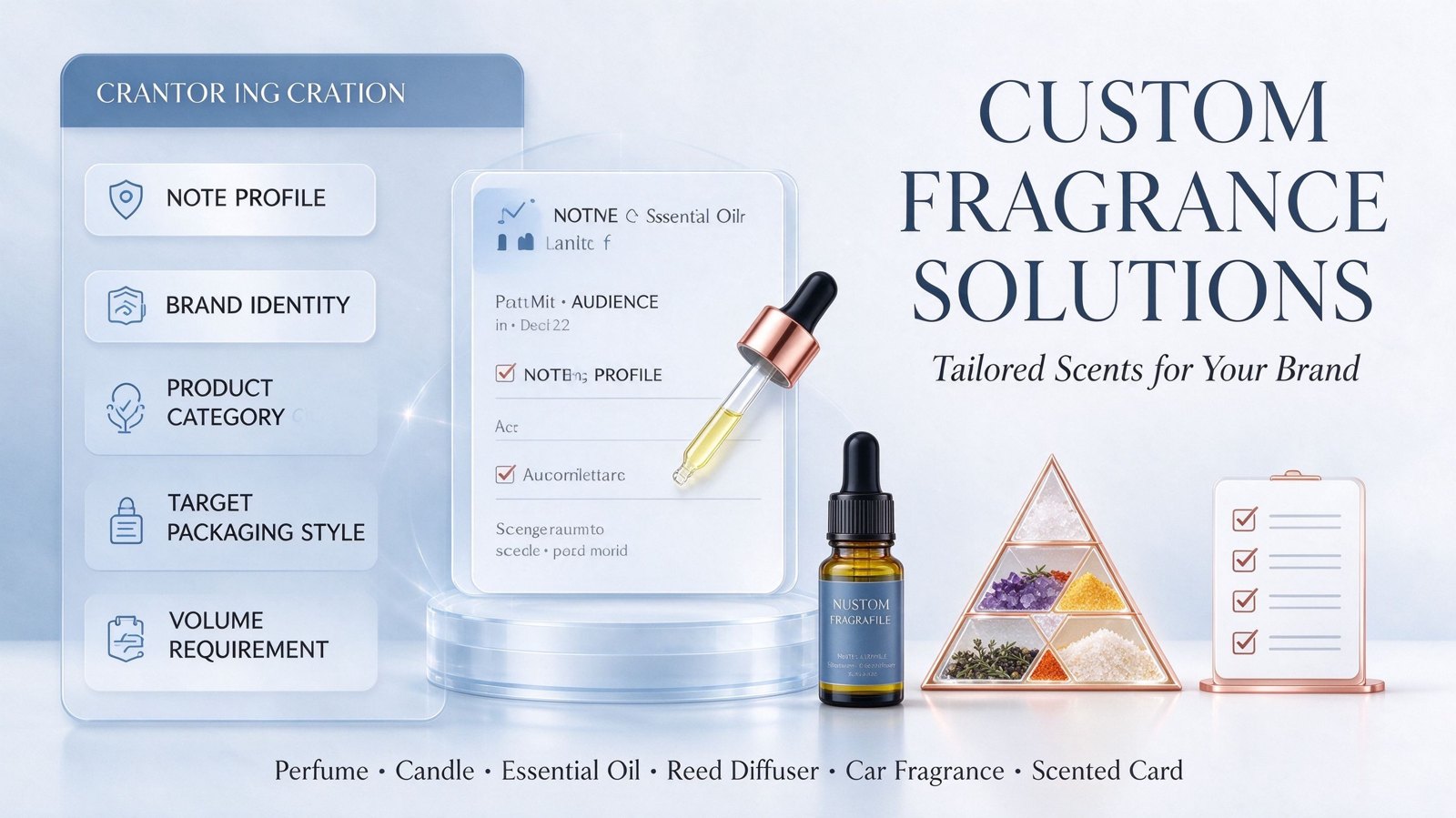
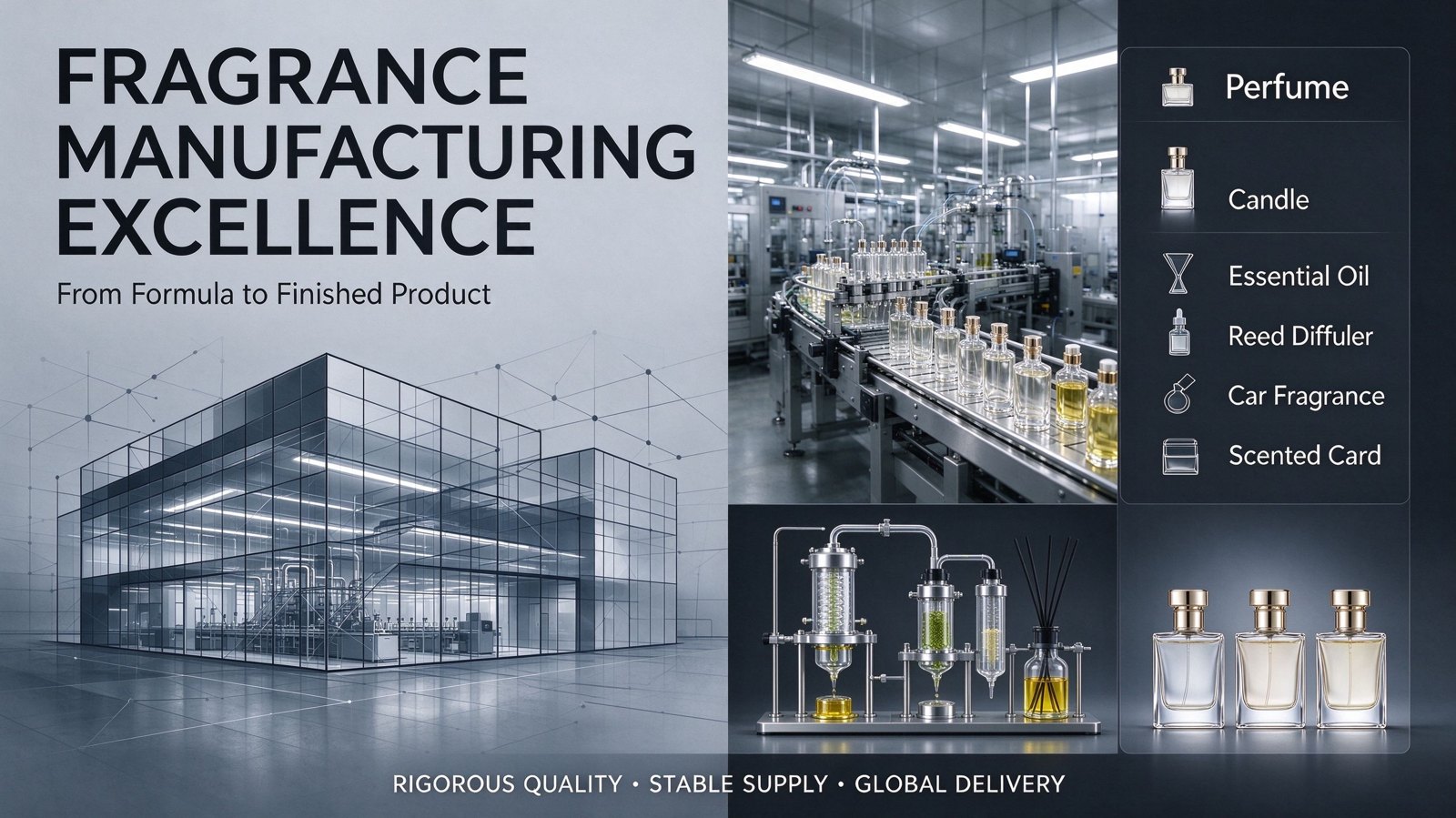
Choosing private label scent cards for a new range becomes difficult when sample approval is discussed without an agreed product specification. This decision affects what is sampled, purchased and accepted at delivery. This guide explains the technical choices, the records to request and a practical approval sequence for your OEM/ODM project.
Sample Approval: the decision to make
Approve a treated, printed and sealed card rather than an untreated print proof. Open retained samples after storage to check whether scent and visual quality remain acceptable.
Approve a physical reference and a written specification together. A scent sample does not approve the final packaging, and a decorated empty pack does not demonstrate filled-product compatibility. Keep a version history, describe requested revisions in observable terms and close each open issue before bulk release. The reference used for production should represent the agreed formula, materials and assembly.
Define the acceptance question
For this project, ask: what evidence would make the proposed sample approval decision acceptable? Keep the answer tied to a scented substrate, fragrance treatment, printing, hanging attachment and barrier pouch. Identify a reference sample or component, the comparison conditions and the person who can authorize a revision. Record unresolved points before the purchase specification is frozen.
Product engineering and quality checks
Treat private label scent cards as a scented substrate, fragrance treatment, printing, hanging attachment and barrier pouch. Scent delivery depends on diffusion from the substrate after the protective pouch is opened. An attractive printed card can lose fragrance in storage if its barrier pouch or seals are unsuitable.
Evaluate the complete product
For sample evaluation, compare cards from the same substrate and pouch system using a defined opening and exposure procedure. Record card dimensions, treated mass, pouch identity, opening time and exposure conditions before comparing scent decline. Include substrate, inks, coating, string, barrier laminate and pouch seals in the relevant approval checks. Packaging alternatives can be explored through our custom packaging service, with final materials subject to project confirmation.
Turn observations into a release record
Specify the applicable checks for substrate identity, treatment consistency, print condition, fragrance identity, pouch seal and released scent. Agree the inspection method and acceptance criteria with the supplier before production. Separate a cosmetic preference from a functional failure, record the sample version and retain evidence for deviations. An approved substitute should be documented rather than introduced informally during purchasing.
Compare the available approaches
| Approach | Purchasing implication | What to confirm |
|---|---|---|
| Development sample | Answers an individual design question | Approve a treated, printed and sealed card rather than an untreated print proof |
| Preproduction sample | Checks the complete agreed product configuration | Compare with the approved reference under the same conditions |
| Project-specific route | Use when neither standard option meets the brief | Document the change, cost effect and revalidation needed |
Practical OEM/ODM purchasing guide
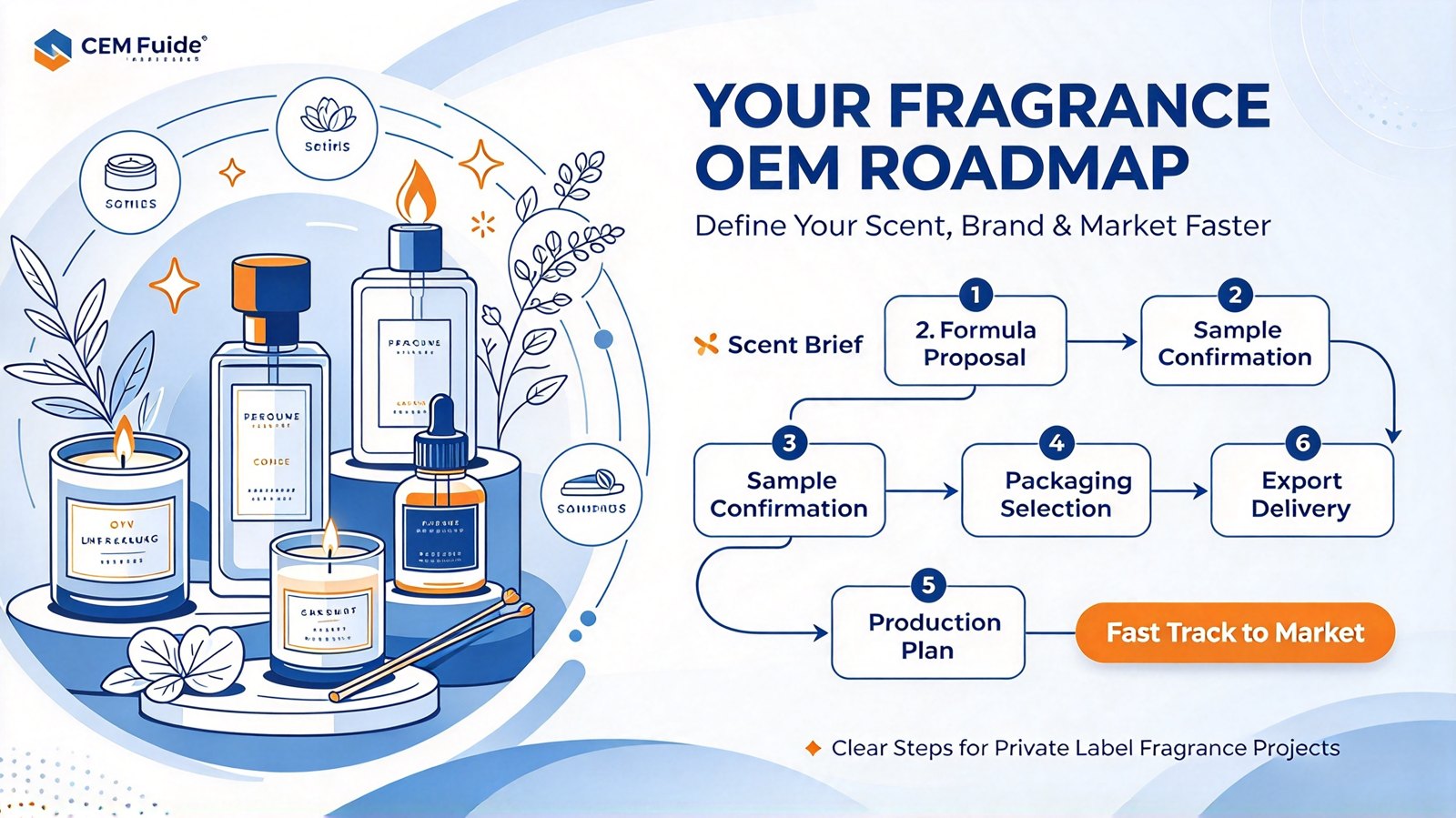
- Send the target market, intended use, sales channel and sample approval question with the brief. Add references and a target landed-cost framework.
- Request a proposal covering a scented substrate, fragrance treatment, printing, hanging attachment and barrier pouch. List stock choices, custom changes and the evidence needed for each change.
- Run the relevant comparison using coded references and a written method. Record the chosen version and why the alternatives were rejected.
- Confirm MOQ per variant and component, sampling fees, tooling ownership, packaging commitments and the production schedule in the written quotation.
- Approve the final configuration and inspection plan. Release production only after the agreed open issues are closed.
- Agree shipment terms, packaging checks, document delivery and a process for reporting nonconforming goods. Keep the approved records available for reorders.
Our OEM/ODM customization services cover the project discussion from product concept through sampling and production planning. Request confirmation of the scope, schedule and quality records for your particular order. Browse the private label scent cards product category to establish a starting format.
Frequently asked questions
Should fragrance and packaging be approved separately?
Use separate approvals during development, then close the project with a complete filled sample. This makes revisions easier to trace while preventing partial approvals from being interpreted as permission to manufacture the entire product.
How should sample revisions be named?
Assign a version to each changed formula or component configuration. Record what changed and which questions the sample answers. Avoid informal names such as latest sample when several reviewers hold different versions.
What makes approval auditable?
Record the reference identity, date, approver, specification and any permitted deviations. Keep a retained sample where appropriate. If the physical reference changes during storage, the written record remains essential for interpreting it.
Does an advertised MOQ apply to every custom version?
Ask for the minimum per finished variant, formula batch and custom component. MOQ and pricing need confirmation against the chosen specification; a headline quantity does not define every possible order.
Which sample matters most for private label scent cards?
Use a sample that represents the decision being approved. For the complete product, compare cards from the same substrate and pouch system using a defined opening and exposure procedure. An early development sample should be identified separately from the final production reference.
What evidence should I retain for a reorder?
Keep the formula and component references, approved sample identity, artwork version and inspection record. For this product, include the agreed controls for substrate identity, treatment consistency, print condition, fragrance identity, pouch seal and released scent. Confirm changes before repeating the order.
Conclusion
A sound private label scent cards sample approval decision connects the commercial brief to the actual product configuration and approval evidence. Confirm the quotation, samples, packaging and quality checks together so the production order reflects the choice your team has approved. Keep the records specific enough to guide a later reorder or an investigation if performance changes.
We invite you to explore our capabilities and discuss your next product line.
You can reach us directly via WhatsApp +86 17324762943
Email: adon@customperfumeoem.com
Website: customperfumeoem.com