
Candle Fragrance, Wax and Wick: Why Cold Throw and Hot Throw Diverge
Two candles with identical fragrance and load can perform nothing alike. This article explains cold throw and hot throw, how wax and wick govern release, and how to specify a candle where both are designed rather than discovered.
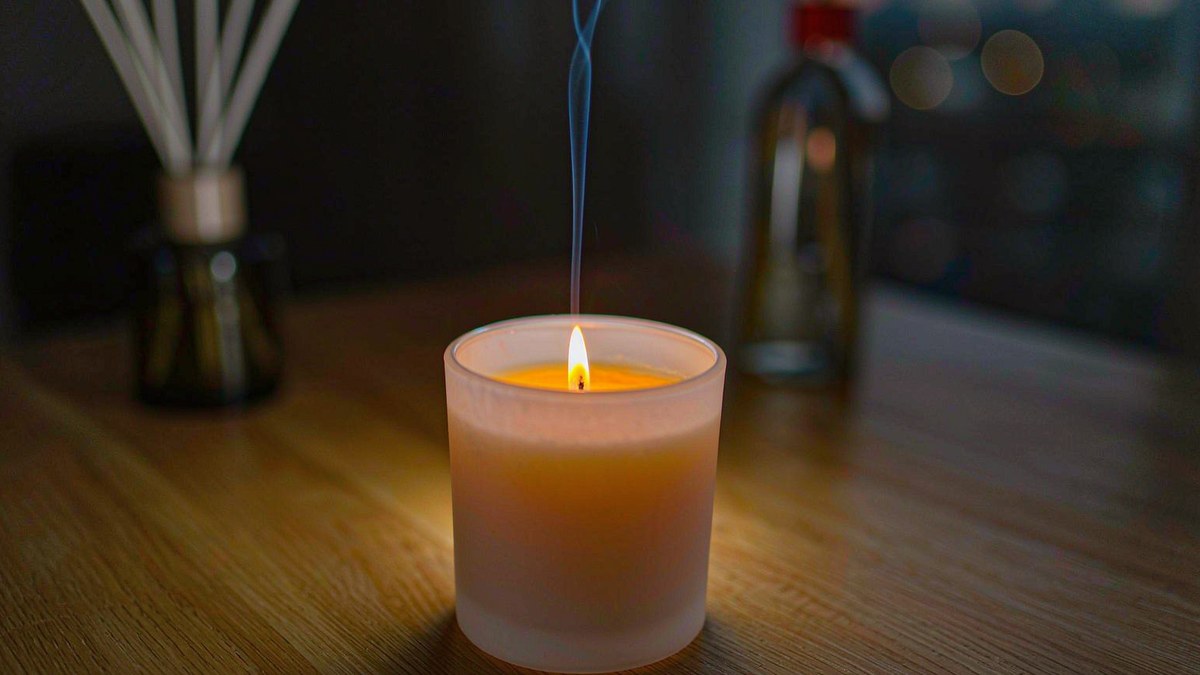
Two candles can carry the same fragrance at the same load and perform nothing alike. One fills a room before it is lit; the other only releases when the melt pool forms, and then weakly. The difference is not the oil. It is the interaction between fragrance, wax and wick — three variables that are usually specified separately and behave together.
This article explains cold throw and hot throw, why they diverge, and how to specify a candle so that both are designed rather than discovered.
Table of Contents
- Cold throw and hot throw
- How wax governs release
- How the wick governs release
- Fragrance load and the performance window
- Vessel diameter and melt pool
- Testing both throws
- Practical guide: specifying a candle that performs
- Frequently asked questions
- Conclusion
Cold throw and hot throw
Cold throw is what the unlit candle releases from its surface. It sells the product in store and in an unboxing, and it depends on how volatile the fragrance is and how much sits at the wax surface. Hot throw is what is released when the melt pool forms, and it depends on the fragrance's behaviour at that temperature, the pool size and the wick's burn rate.
A fragrance can be excellent at one and poor at the other. Citrus-heavy accords usually give strong cold throw and fade when lit; heavy resins give weak cold throw and bloom with heat.
How wax governs release
| Wax | Cold throw | Hot throw | Notes |
|---|---|---|---|
| Soy | Good | Moderate | Lower melt point, gentler release |
| Coconut | Strong | Strong | Higher cost, softer in heat |
| Rapeseed | Good | Moderate | Similar to soy, European supply |
| Paraffin | Moderate | Strong | Efficient release per gram of oil |
| Soy-coconut blend | Strong | Strong | Balanced, common in premium ranges |
Wax also sets the ceiling on load. Beyond a point the wax cannot hold more oil without sweating or burning poorly, which is why "more fragrance" often produces a worse candle.
How the wick governs release
The wick determines the size of the melt pool and therefore how much fragrance is exposed to heat. An undersized wick tunnels, leaving fragrance unburned; an oversized wick overheats the wax, burns off top notes and can produce soot. Wick selection is a function of vessel diameter, wax and fragrance load together, and it cannot be specified from a chart alone.
Fragrance load and the performance window
Most container candles sit between 6% and 10%. Below 6%, throw is usually thin; above 10%, wax stability and burn quality degrade in many systems. The optimum is the highest load that still burns cleanly in the intended vessel — a performance decision, not a marketing one.
Vessel diameter and melt pool
Pool diameter should reach the vessel wall within a reasonable time, typically within the first two to three hours of burn. A vessel that is too wide for the wick leaves wax on the walls; a narrow vessel concentrates heat and can overheat the glass. Diameter, wick and wax are one specification, not three.
Testing both throws
Cold throw is assessed by leaving the candle unlit in a defined room for a set period and asking a panel to rate intensity. Hot throw is assessed by burning for a fixed time in a defined room volume and rating at intervals. Both need a defined room, a defined distance and a defined time — otherwise results are opinions.
Practical guide: specifying a candle that performs
Step 1 — Define the room, not the adjective
Room volume, burn duration and the intended intensity. "Strong" means nothing without them.
Step 2 — Choose wax and load together
The load the wax can hold, not the load marketing wants.
Step 3 — Select the wick against the vessel
Diameter, wax and load determine wick size. Test in the actual vessel.
Step 4 — Test cold throw before lighting
Unlit, defined room, defined time.
Step 5 — Test hot throw across the burn
One hour, two hours, and near the end of the candle's life.
Step 6 — Check the failure modes
Tunnelling, sooting, wax pull-away and sweating are all signals of a mismatched specification.
Frequently asked questions
Why does my candle smell strong unlit but weak when burning?
Cold throw and hot throw depend on different mechanisms. A fragrance with high volatility at room temperature may volatilise poorly at melt-pool temperature.
Does more fragrance oil increase throw?
Only up to the wax's capacity. Beyond it, the candle sweats, burns poorly and throws less.
Can I use the same fragrance for candles and perfume?
The compound can be shared, but the balance must be rebuilt for the wax and wick. A skin-optimised formula is not automatically a candle formula.
How do I know if my wick is right?
The pool reaches the wall within two to three hours without smoking or overheating the glass. Anything else is a mismatch.
Why does the candle tunnel?
Usually an undersized wick for the vessel diameter, or a high fragrance load cooling the burn.
Is paraffin hotter burning?
It typically releases fragrance more efficiently per gram of oil, which is why it remains common in large-format candles.
Does vessel colour affect performance?
Not chemically, but a clear vessel reveals wet spots and pull-away that an opaque one hides.
How long should a burn test run?
At least three hours per session, repeated across the candle's life, because the last third often behaves differently from the first.
Conclusion
A candle's performance is not a property of the fragrance; it is a property of the system. Wax sets the capacity, the wick sets the pool, and the load determines whether the two can work together.
Define the room, choose wax and load together, size the wick to the vessel and test both throws in the actual container. Then cold throw sells the candle and hot throw keeps the customer.
We invite you to explore our capabilities and discuss your next product line.
You can reach us directly via WhatsApp +86 17324762943
Email: adon@customperfumeoem.com
Website: customperfumeoem.com


