
The Burn Test Protocol a Candle Buyer Should Demand
Burn testing is the only evidence that a candle works with its wick, wax and vessel. This article sets out the parameters, the timing, the room conditions and the failure modes a report must record before artwork is approved.
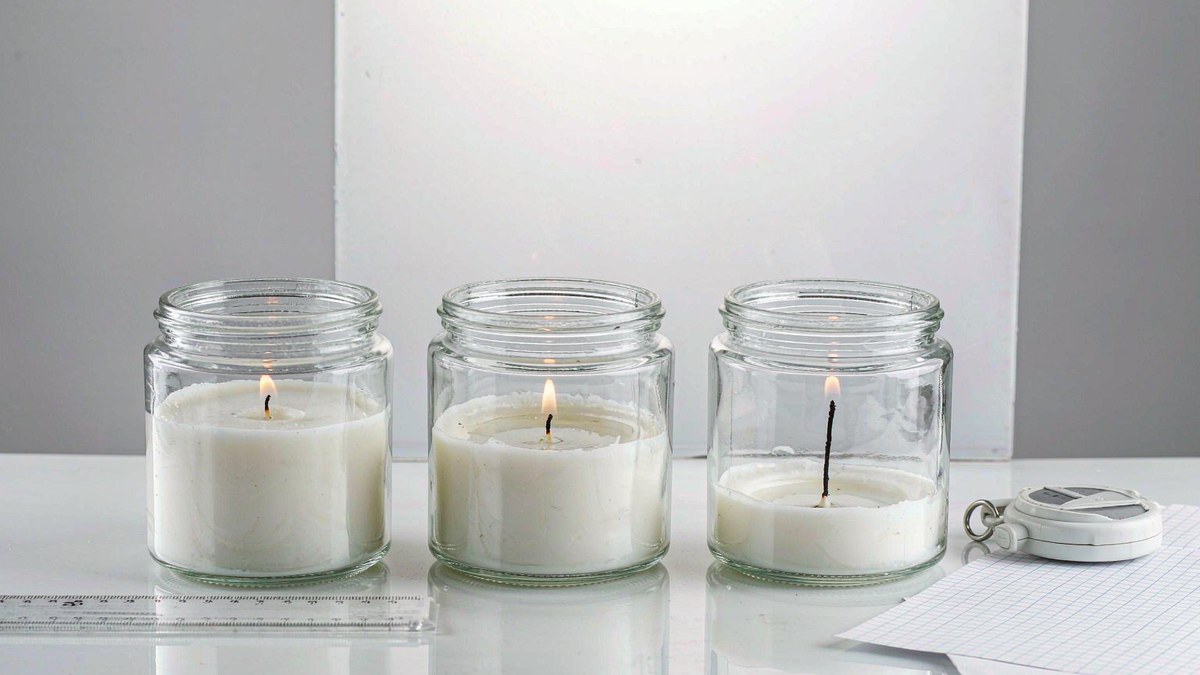
A candle sample that looks perfect and tunnels in a customer's living room is not a quality-control failure; it is a missing test. Burn testing is the only evidence that a wick, a wax and a vessel work together, and it is the first thing a serious buyer asks to see.
This article sets out the parameters, the timing, the room conditions and the failures a report must record before artwork is approved.
Table of Contents
- Why appearance proves nothing
- The parameters to measure
- The protocol
- Room conditions
- The three failures to name
- What a report contains
- Practical guide: running the test
- Frequently asked questions
- Conclusion
Why appearance proves nothing
A candle is a combustion system. The wick draws fuel, the pool determines how much fragrance reaches the flame, and the vessel sets the heat. None of that is visible in a photograph, and all of it varies with the diameter of the jar.
The parameters to measure
| Parameter | How | What it tells you |
|---|---|---|
| Melt pool diameter | Measure at 1, 2, 3 hours | Whether the wick matches the vessel |
| Flame height | Estimate at intervals | Oversized wick or draught |
| Container surface temperature | Probe at the hottest point | Glass stress and label adhesion |
| Soot | Visual check on the vessel | Incomplete combustion |
| Wax consumption | Weigh before and after | Burn rate and total life |
| End-of-life behaviour | Last 20% of the candle | Overheating and wick drowning |
The protocol
Burn in sessions of three hours, extinguish, cool, trim the wick to specification, and repeat. Continue across the life of the candle, because the last third behaves differently from the first. Test at least three units from different production batches for a production approval.
Room conditions
Record temperature, airflow and room volume. A test in a draughty workshop is not comparable to one in a still room, and a candle that tunnels in a draught may pass in dead air. State the conditions in the report so a later test can be compared.
The three failures to name
- Tunnelling — the pool never reaches the wall; the wick is undersized for the diameter
- Sooting — incomplete combustion; wick too large, load too high, or a draught
- Overheating — the vessel becomes too hot to touch; wick or wax mismatch
What a report contains
SKU, wax, wick, vessel, fragrance load, batch, room conditions, the measurements at each interval, photographs of the pool at each session, and a conclusion with the recommended wick or load change. A report without the last item is data, not an approval.
Practical guide: running the test
Step 1 — Fix the specification first
Wax, wick, vessel and load, written down.
Step 2 — Test the actual vessel
A substitute jar invalidates the result.
Step 3 — Use three-hour sessions
Long enough to form a pool, short enough to avoid overheating artefacts.
Step 4 — Measure, do not estimate, the pool
At one, two and three hours.
Step 5 — Continue to the last third
Most failures appear late.
Step 6 — Sign off the wick and load together
They are one specification, not two.
Frequently asked questions
How long does a burn test take?
Typically one to two weeks per SKU, depending on the burn life and the number of sessions.
Can I test one candle and assume the rest match?
For development, yes; for production approval, test units from different batches.
Why does my candle tunnel only at the end?
As the wick shortens and the pool deepens, the balance changes. That is why the last third matters.
Is sooting a wick problem or a fragrance problem?
Either, and sometimes both. Test with the wick fixed before changing the load.
Do I need lab equipment?
A scale, a timer, a thermometer and a ruler cover most of it. Consistency matters more than sophistication.
Does the room really change the result?
Yes, significantly. Record conditions so results are comparable.
What is a passing result?
Pool reaches the wall within three hours, no soot, vessel surface within specification, no tunnelling to the end.
Who should keep the records?
The factory, with a copy to the brand. They are the evidence behind the retail file.
Conclusion
A burn test is a specification check, not a formality. Wick, wax and vessel are one system, and only burning shows whether they agree.
Fix the spec, test the real vessel, measure the pool, continue to the end and sign off wick and load together. Appearance sells the sample; burn data sells the container.
We invite you to explore our capabilities and discuss your next product line.
You can reach us directly via WhatsApp +86 17324762943
Email: adon@customperfumeoem.com
Website: customperfumeoem.com


