
Bottle Decoration: Coating, UV, Hot Stamping and Screen Print Compared
Bottle decoration is where a private-label perfume stops looking stock and where lead times double. This article compares coating, UV lacquer, hot stamping, screen printing, frosting and etching on cost, durability and the artwork each can carry.
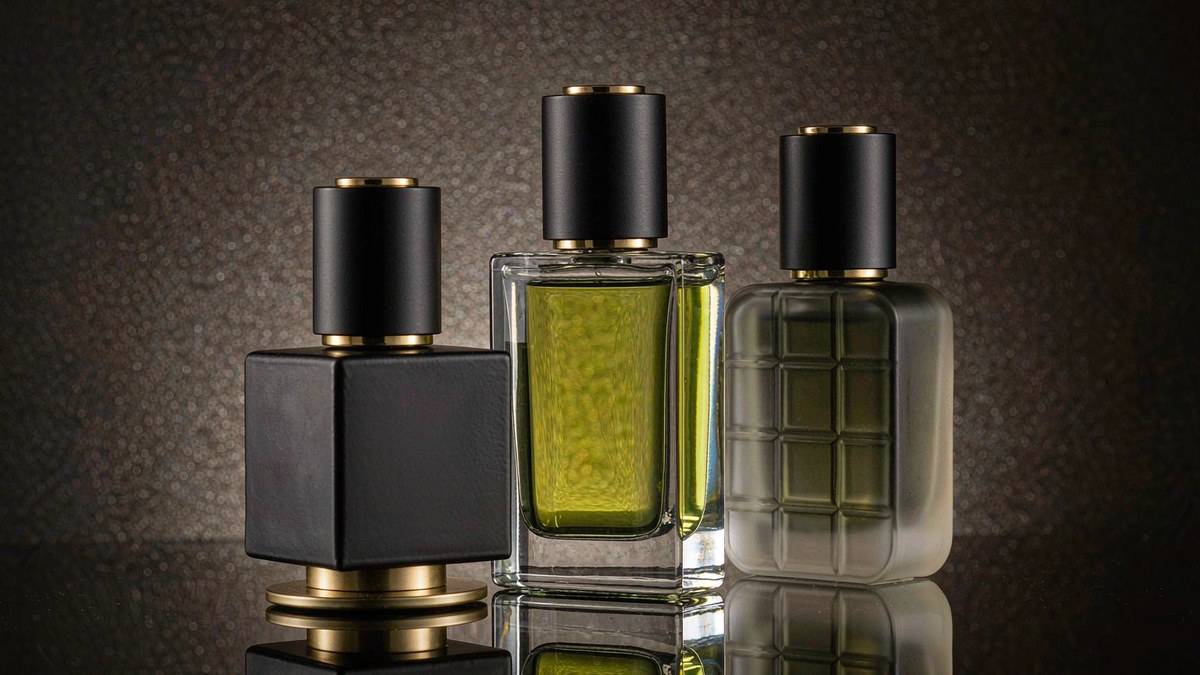
Bottle decoration is where a private-label perfume stops looking like a stock bottle and starts looking like a brand. It is also where lead times double, where a third of the unit cost can appear, and where the difference between a coating and a lacquer becomes a five-figure rework.
This article compares the main decoration techniques available on glass perfume bottles — coating, UV lacquer, hot stamping, screen printing, frost and etching — on cost, durability, lead time and the constraints each imposes on artwork.
Table of Contents
- Why decoration changes the project
- The six methods compared
- Durability and wear
- Artwork constraints per method
- Combining methods
- Cost and lead time drivers
- Practical guide: specifying decoration
- Frequently asked questions
- Conclusion
Why decoration changes the project
An undecorated bottle can be ordered from stock and shipped in weeks. A decorated bottle requires a decoration supplier, a plate or screen, an approval on a decorated sample, and a production slot that is often the bottleneck in the whole chain. Decoration also interacts with the formula: some coatings and inks are sensitive to alcohol, and a fragrance with high ethanol content can lift a poor coating over time.
The six methods compared
| Method | Visual effect | Relative cost | Key constraint |
|---|---|---|---|
| Spray coating (opaque or translucent) | Solid colour, soft-touch, gradient | Low to mid | Coverage on shoulders, adhesion over time |
| UV lacquer | High gloss, deep colour | Mid | Curing quality; poor cure equals peeling |
| Hot stamping (foil) | Metallic, matte or pigment foil | Mid | Line thickness limits, plate wear |
| Screen printing | Flat colour, fine detail, text | Low to mid | Curved surfaces limit coverage |
| Frosting | Soft matte surface | Low | Uniformity across a batch |
| Etching / sandblasting | Deep matte pattern | Mid to high | Pattern masking, batch consistency |
Durability and wear
Decoration fails in three ways: adhesion loss, abrasion and chemical attack. Adhesion loss usually traces to surface preparation before coating. Abrasion shows up on edges and shoulders after handling and cartoning. Chemical attack comes from the product itself — alcohol, high fragrance load, or a formula that reaches the decorated neck during filling.
The practical test is a rub test plus a compatibility test with the actual formula, held for the intended shelf life. A coating that survives a rub test and fails after three months next to an alcohol-based perfume has failed the only test that mattered.
Artwork constraints per method
- Screen print: minimum line weight and text size depend on mesh; fine serifs break up
- Hot stamp: thin lines and small type are unreliable; plates wear over long runs
- Coating: gradients need control; edges on complex shapes vary
- Etching: pattern resolution is limited by the mask, and depth affects light
- All methods: registration between two passes is the usual cause of rejected artwork
Combining methods
Most premium bottles use two or three passes: a coating, a print and a foil. Each pass adds setup, a registration risk and a production day. Combining methods is where a design gets expensive quickly, and where the first decorated sample usually reveals the registration problem.
Cost and lead time drivers
Cost is driven by the number of passes, the plate or screen cost per colour, the yield loss on curved surfaces, and the run length over which setup is amortised. Lead time is driven by plate making, decorated sample approval and the decoration supplier's queue — not by the bottle itself.
For a first order, expect decoration to add two to four weeks on top of bottle lead time, and more if the artwork needs a second proof.
Practical guide: specifying decoration
Step 1 — Choose the method before the artwork
Artwork designed for screen print often cannot be foiled. Method first, then design.
Step 2 — Request a decorated sample, not a digital proof
Registration, coverage and colour only become real on glass.
Step 3 — Test compatibility with the formula
Rub test plus a three-month contact test with the actual product.
Step 4 — Fix the registration tolerance
State the acceptable offset between passes, because it will occur.
Step 5 — Plan for yield loss
Decorated glass has a higher reject rate; the price should include it, and the inspection should check it.
Step 6 — Approve on the production line, not only in the sample room
A hand-decorated sample and a production run are different processes.
Frequently asked questions
Is coating cheaper than UV lacquer?
Generally yes, and it delivers a different look — softer and more matte. UV lacquer gives a deeper gloss but depends on curing quality.
Can I print a photograph on a bottle?
Not directly with screen print or foil. Photographic imagery usually requires a label, a sleeve or a transfer, each with its own constraints.
Why does my print peel after a few months?
Usually adhesion failure from surface preparation, or chemical attack from the product. Both are testable before production.
How many colours can be screen printed?
Each colour is a separate pass, so cost and registration risk rise with the count. Two or three is typical for a premium bottle.
Does decoration change the MOQ?
Yes. Plate or screen costs and setup make short decorated runs expensive, so the practical MOQ is higher than for an undecorated bottle.
Is frosted glass more expensive than clear?
Often similar, but uniformity across a batch is harder to control, and a frosted surface shows fingerprints and handling marks.
Can decoration be applied after filling?
Normally before, because decoration processes involve heat, solvents and handling that would damage a filled product.
What is the biggest cause of decoration rejects?
Registration between passes, followed by coverage on complex shapes. Both are visible on a decorated sample if you look for them.
Conclusion
Decoration is the fastest way to make a stock bottle look proprietary, and the fastest way to add cost, lead time and failure modes. The method determines the artwork, the durability test determines the method, and the registration tolerance determines how many rejects you should expect.
Choose the method first, approve on glass, test with the formula and fix the tolerances. A decorated bottle is a manufacturing project, not a graphic design file.
We invite you to explore our capabilities and discuss your next product line.
You can reach us directly via WhatsApp +86 17324762943
Email: adon@customperfumeoem.com
Website: customperfumeoem.com


