Sustainable Perfume Packaging: Refillable Bottles and Mono-Material Boxes
What “sustainable” means in practice for glass, caps and secondary packaging — without doubling the unit cost.
Sustainability claims in fragrance are easy to make and hard to substantiate. For a brand team, the practical question is which changes reduce impact without breaking the price architecture.
Glass: heavier is not better
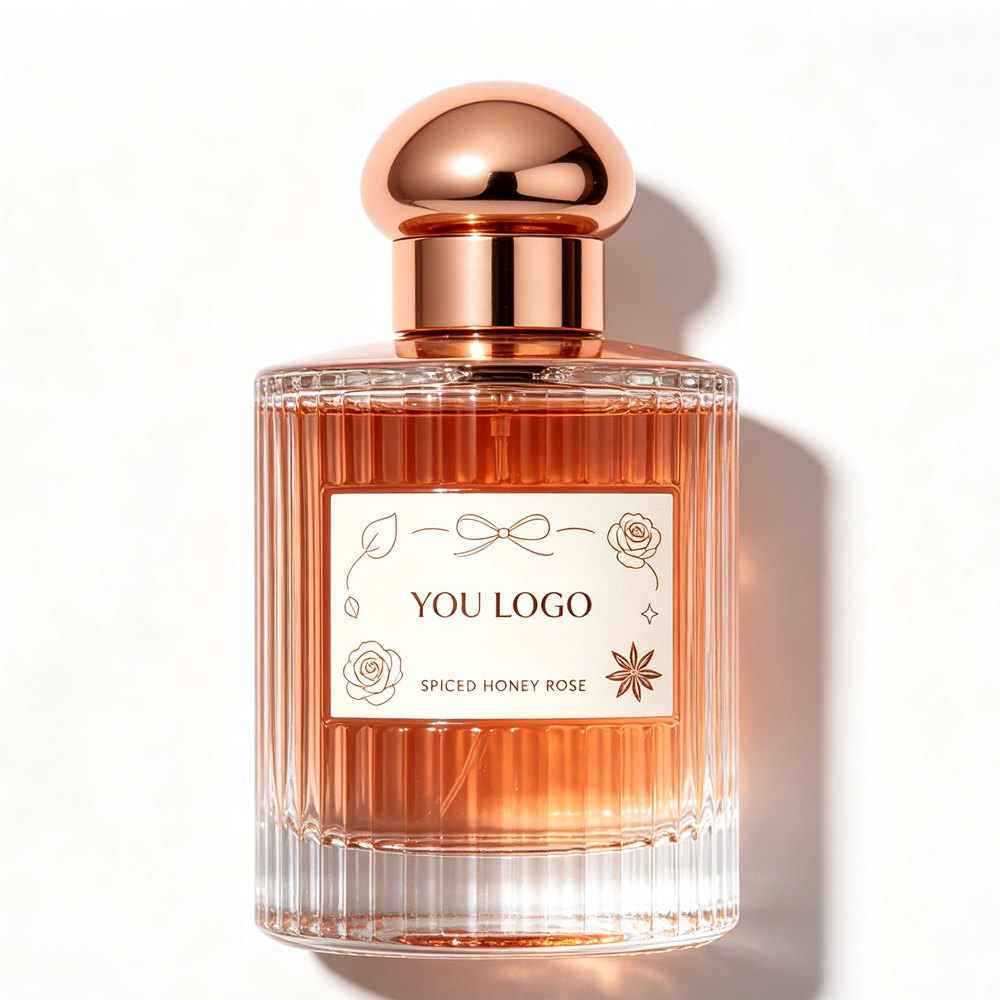
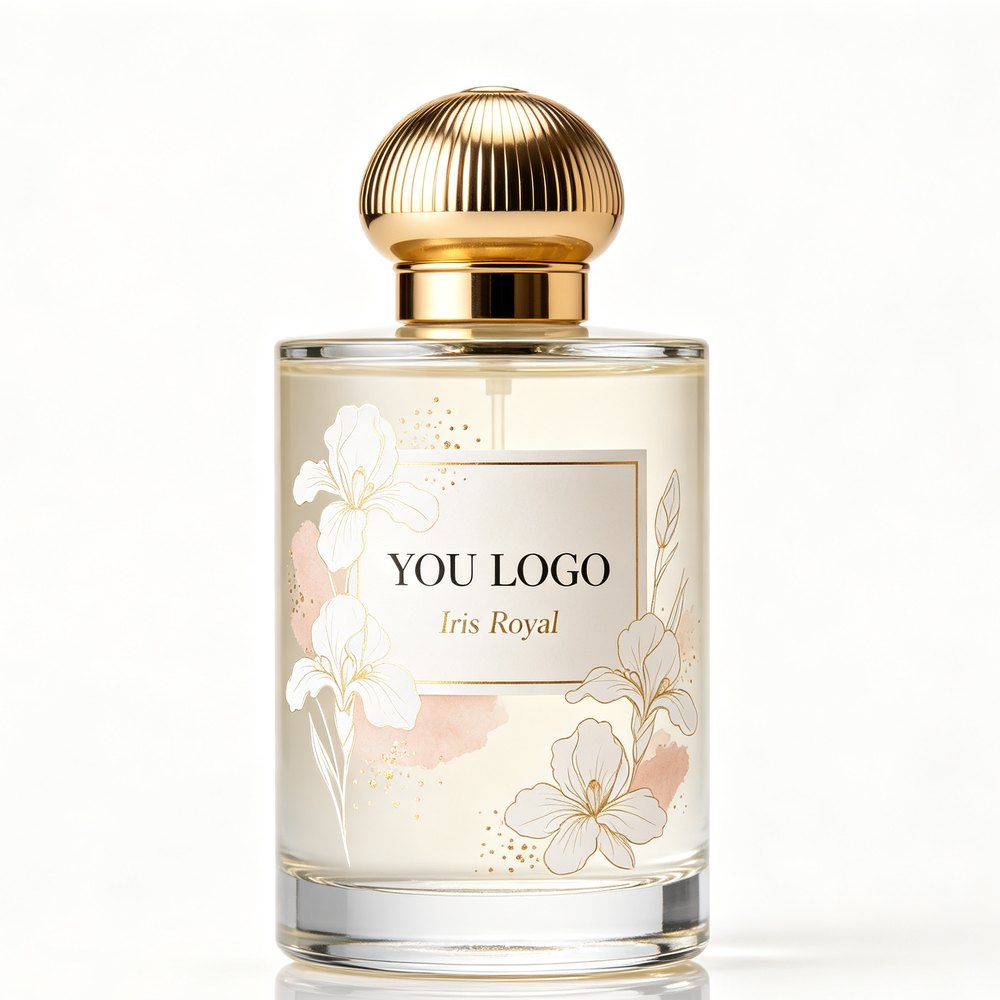
Glass is recyclable and inert, but its footprint scales with weight. Reducing a 100 ml bottle from 180 g to 130 g cuts transport emissions and cost. Refillable designs add value only if the refill is actually available at retail — otherwise the claim is cosmetic.
Caps: the hidden problem
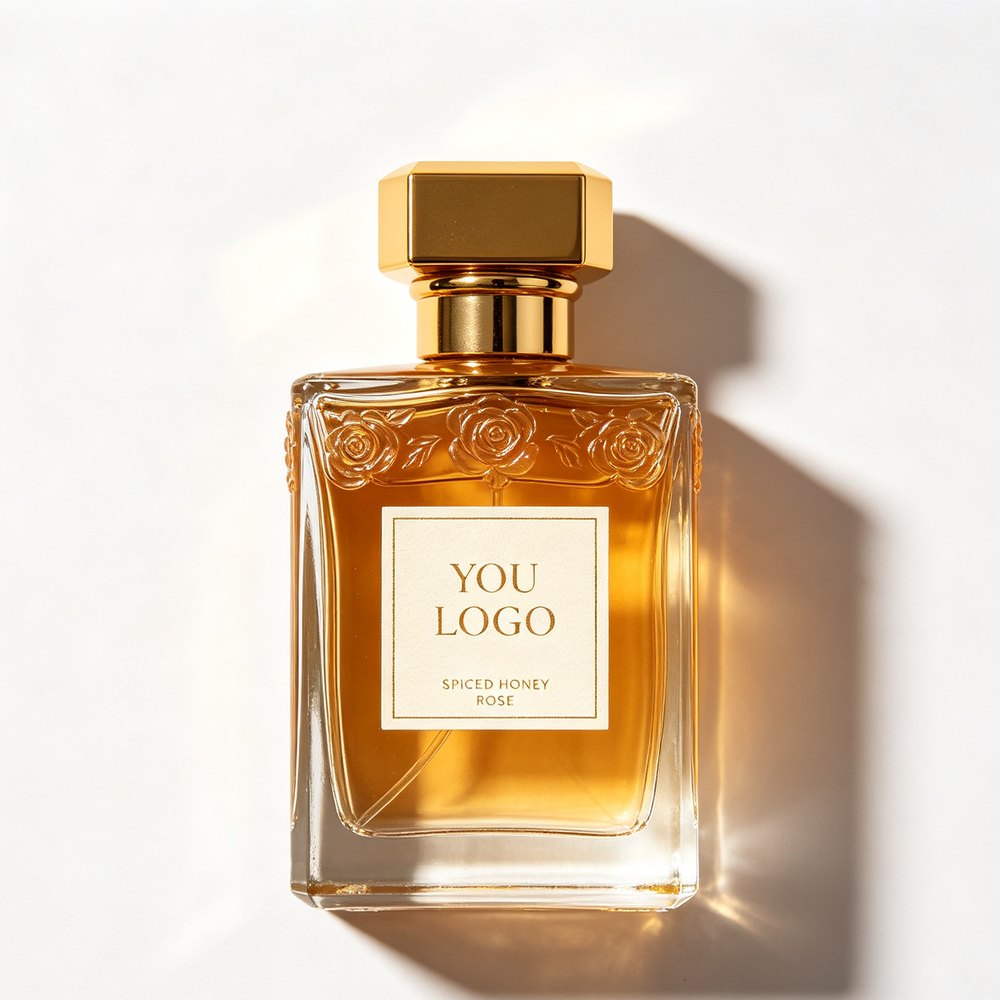
Mixed-material caps (plastic shell, metal plate, magnet) are difficult to recycle. Mono-material Surlyn or PP caps with a single decoration are a practical compromise. Wooden caps photograph well but raise questions about sourcing and moisture stability.
Boxes: mono-material and uncoated
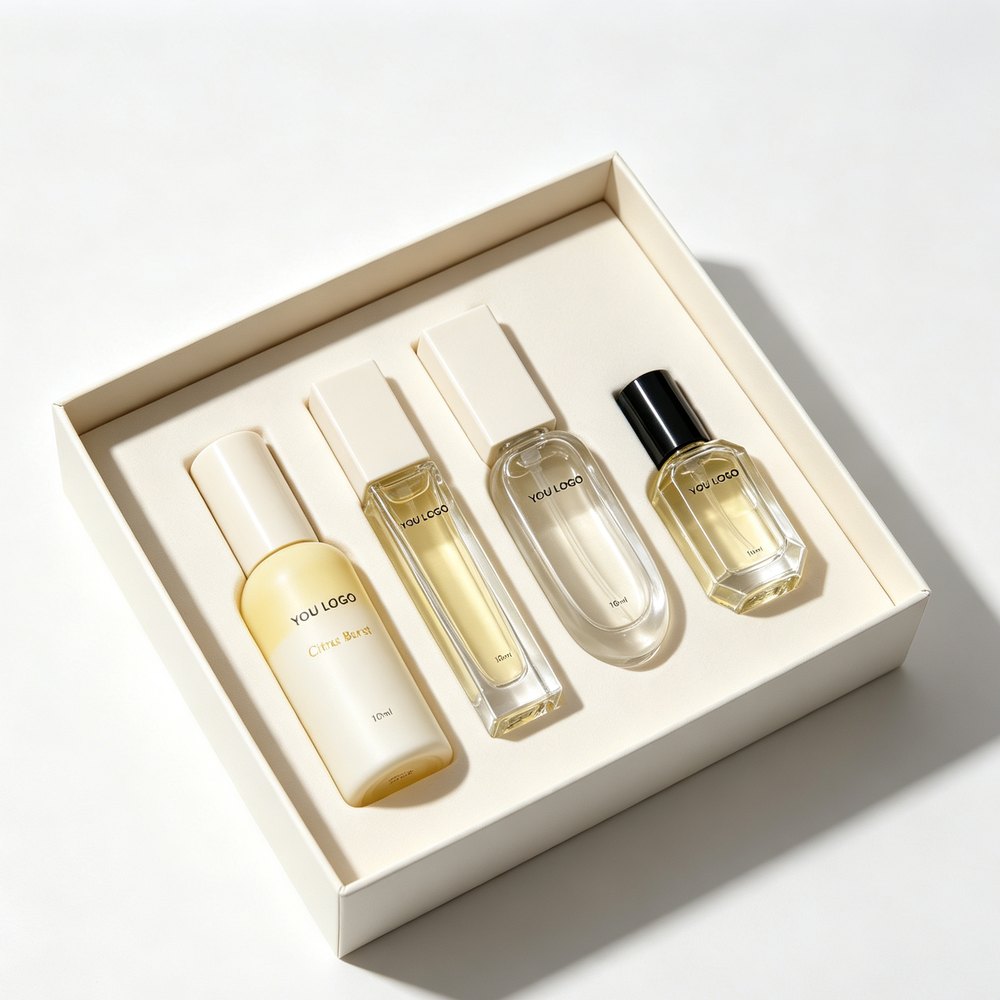
A single-material FSC board box with soy-based ink and no lamination is recyclable in most municipal streams. Removing a plastic window or a magnetic closure often saves cost as well as material.
Refills and concentrates
Concentrate refills shipped in lightweight PET reduce the volume of glass per use. They work best in markets with an established direct-to-consumer channel and a loyal repeat customer.
The strongest sustainability story is a simpler one: fewer components, less weight, honest documentation. Buyers can verify that. They cannot verify a vague “eco-luxury” claim.
Working on a launch?
Send us the brief — we will reply with a development plan and indicative pricing.